My Anthropology, Politics, and Sociology Glossary
My Anthropology, Politics, and Sociology Glossary
Social Science is a program that explores multiples fields of study, which is nice for students who are still unsure about their career choice. Anthropology, politics and sociology are the disciplines on which this glossary will focus. Its purpose is to regroup terms and concepts that are important to understand while studying these fields of study, and relevant to use when discussing with people about those subjects.
- Acculturation
- noun
- A process of social, psychological, and cultural change that stems from the balancing of two cultures while adapting to the prevailing culture of the society. Acculturation is a process in which an individual adopts, acquires and adjusts to a new cultural environment.
- Example: Immigration and acculturation or evolving cognition?
- en: Acculturation

- Activism
- noun
- The use of direct and noticeable action to achieve a result, usually a political or social one.
- Example: The levels of political activism in this country have greatly declined.
- en: Activisme politique

- Adaptation
- noun
- A change or the process of change by which an organism or species becomes better suited to its environment.
- Example: Although, Darwin himself knew nothing about genetics, all his theory of adaptation by natural selection is framed in purely phenotypic terms.
- en: Adaptation

- Artifact
- noun
- An object made by a human being, typically an item of cultural or historical interest.
- Example: Primate Communities in Africa: The consequence of long-term evolution or the artifact of recent hunting?
- en: Artefact

- Class conflict
- noun
- Political tension and economic antagonism that exists in society consequent to socio-economic competition among the social classes or between rich and poor.
- Example: The argument will progress as follows: Desai, M. (2002) Marx's Revenge Verso: London, p. 75 An explanation of the foundation of Marx's argument as based on the necessity of class conflict and the interdependent relationship between the capitalist and the worker.
- en: La lutte des classes

- Constitution
- noun
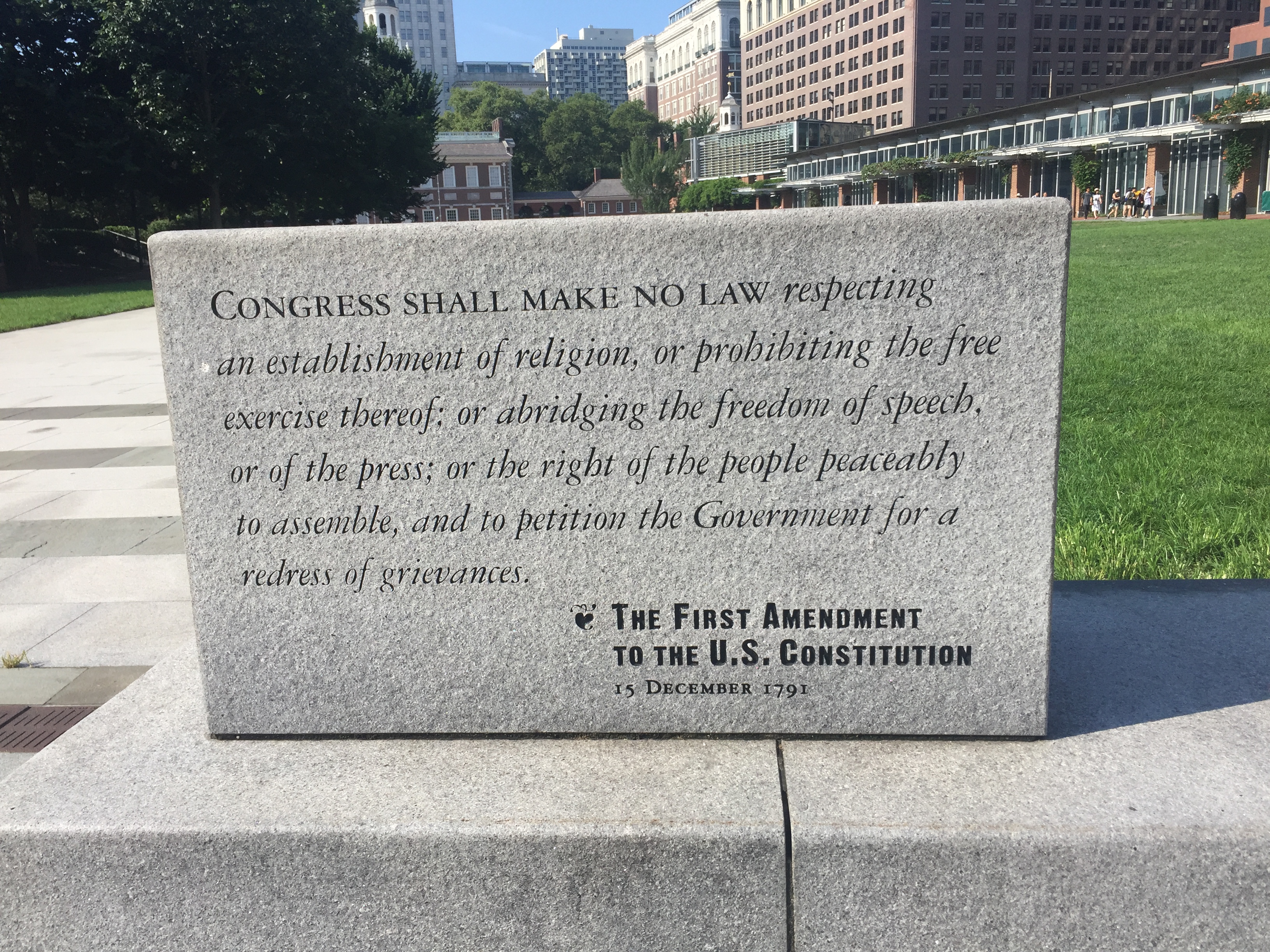
- A body of fundamental principles or established precedents according to which a state or other organization is acknowledged to be governed.
- Example: This has serious implications as parliament are the supreme law making body in the UK and if individual ministers are able to use the relaxation of the exclusionary rule to have more influence over the law then the constitution is threatened.
- en: Constitution
- Culture
- noun
- The customs, arts, social institutions, and achievements of a particular nation, people, or other social group.
- Example: This is another danger that has been highlighted by sociologists who feel participant observation allows a certain mobilization of bias to be enacted by the researcher whose own culture or understanding can shape his sociological analysis of an entirely different society.
- en: Culture

- Custom
- noun
- A traditional and widely accepted way of behaving or doing something that is specific to a particular society, place, or time.
- Example: Using logic rather than custom and religion to define government is another fundamental building block of the modern state.
- en: Coutume

- Ethnicity
- noun
- The fact or state of belonging to a social group that has a common national or cultural tradition.
- Example: In order to further their argument, the authors take a great and careless leap beyond their use of the concepts of 'race' and 'ethnicity', concepts which, according to Frisby, are 'best left to specialists' (Frisby 1995), while a UNESCO report argues that 'The term [race].
- en: Ethnicité
- Ethnocentrism
- noun
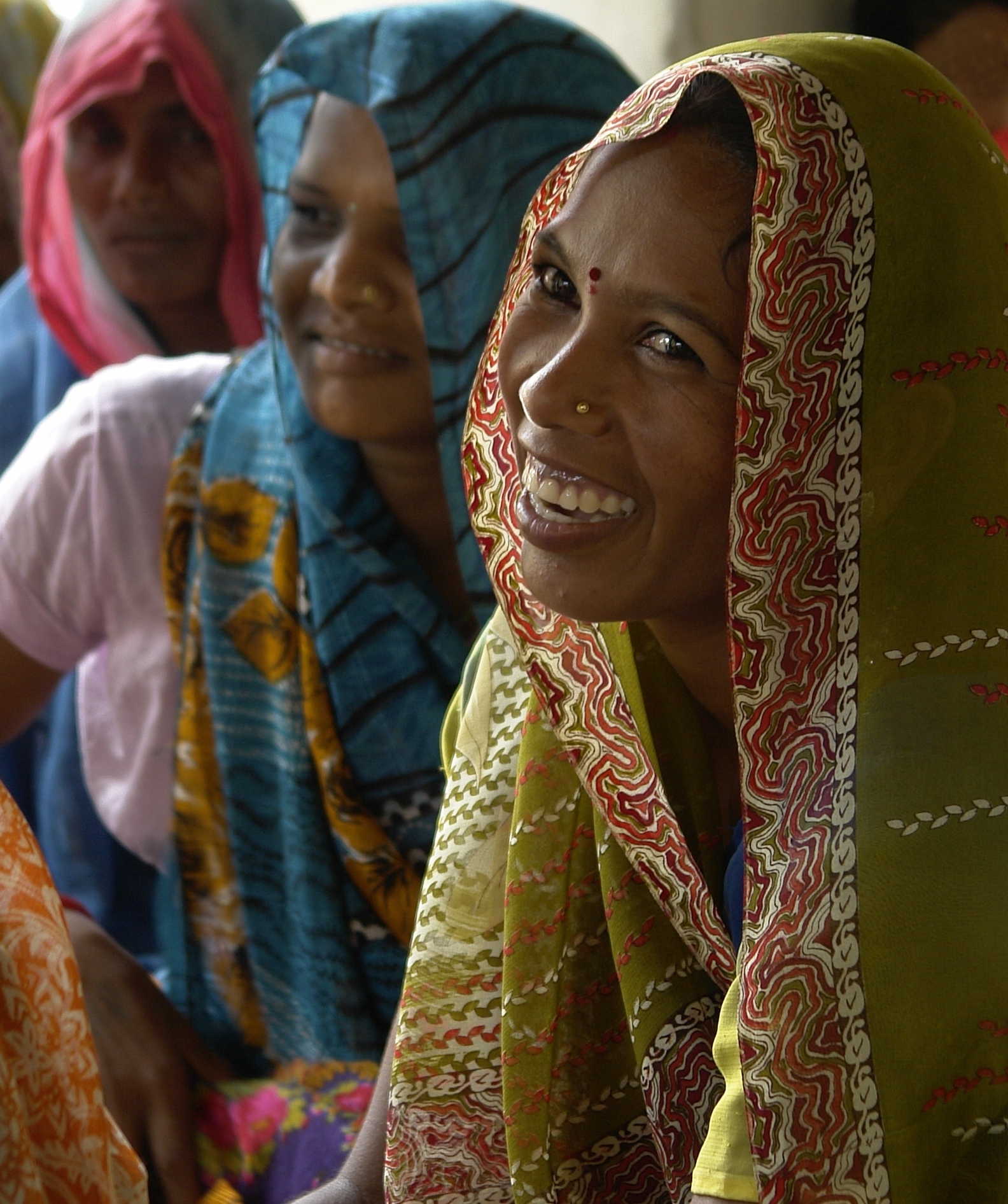
- To apply one's own culture as a frame of reference in order to judge other cultures, practices, behaviors, beliefs, and people, instead of using the standards of the particular culture involved.
- Example: They carried these attitudes across the Atlantic, which then combined with early examples of 'ethnocentrism and xenophobia' and 'invited pejorative feelings' towards Africans.
- en: Ethnocentrisme

- Ethnography
- noun
- The scientific description of the customs of individual peoples and cultures.
- Example: The approaches of case studies and ethnography were both adopted.
- en: Ethnographie

- Feminism
- noun
- Is a range of social movements, political movements, and ideologies that aim to define, establish, and achieve the political, economic, personal, and social equality of the sexes.
- Example: An independent group, it aims to be free of specific political ideologies therefore its engagement with feminism must be primarily covert and implicit.
- en: Féminisme

- Global affairs
- noun
- The study of politics, economics and law on a global level.
- Example: Moreover, citizens must be politically represented in global affairs, as there are global issues that might affect them.
- en: Affaires mondiales

- Institutional racism
- noun
- Form of racism that is embedded as normal practice within society or an organization. It can lead to such issues as discrimination in criminal justice, employment, housing, health care, political power, and education, among other issues.
- Example: He also thinks that other explanatory factors need to be considered as well, such as institutional racism (Fernando, 1988).
- en: Racisme institutionnalisé

- Legislature
- noun
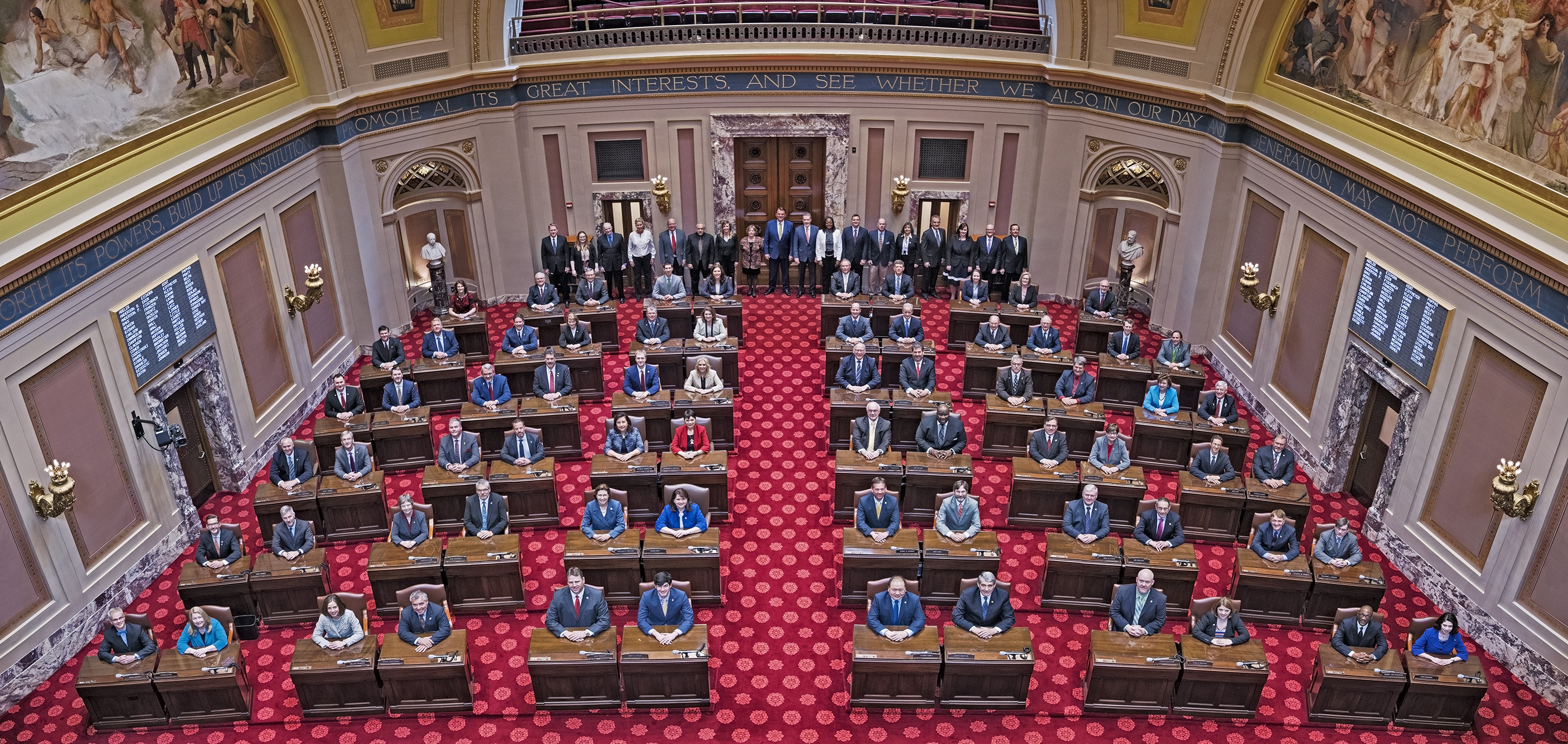
- A deliberative body of persons, usually elective, who are empowered to make, change, or repeal the laws of a country or state; the branch of government having the power to make laws, as distinguished from the executive and judicial branches of government.
- Example: The perpetuation of much of the Conservative government legislature, maintenance of extensive relations with employers, delay in the transposition of EU directives and increasing intervention of private sector companies in public services has also heightened tensions between the Labour Party and unions.
- en: Corps législatif
- Objectivity
- noun
- The quality or character of being objective : lack of favoritism toward one side or another : freedom from bias Many people questioned the selection committee's objectivity.
- Example: Critical Review of Alison Wylies Putting Shakertown Back Together: Critical Theory in Archaeology Alison Wylie's paper is based upon critical theory and her own views concerning objectivity and subjectivity.
- en: Objectivité

- Psychological warfare
- noun
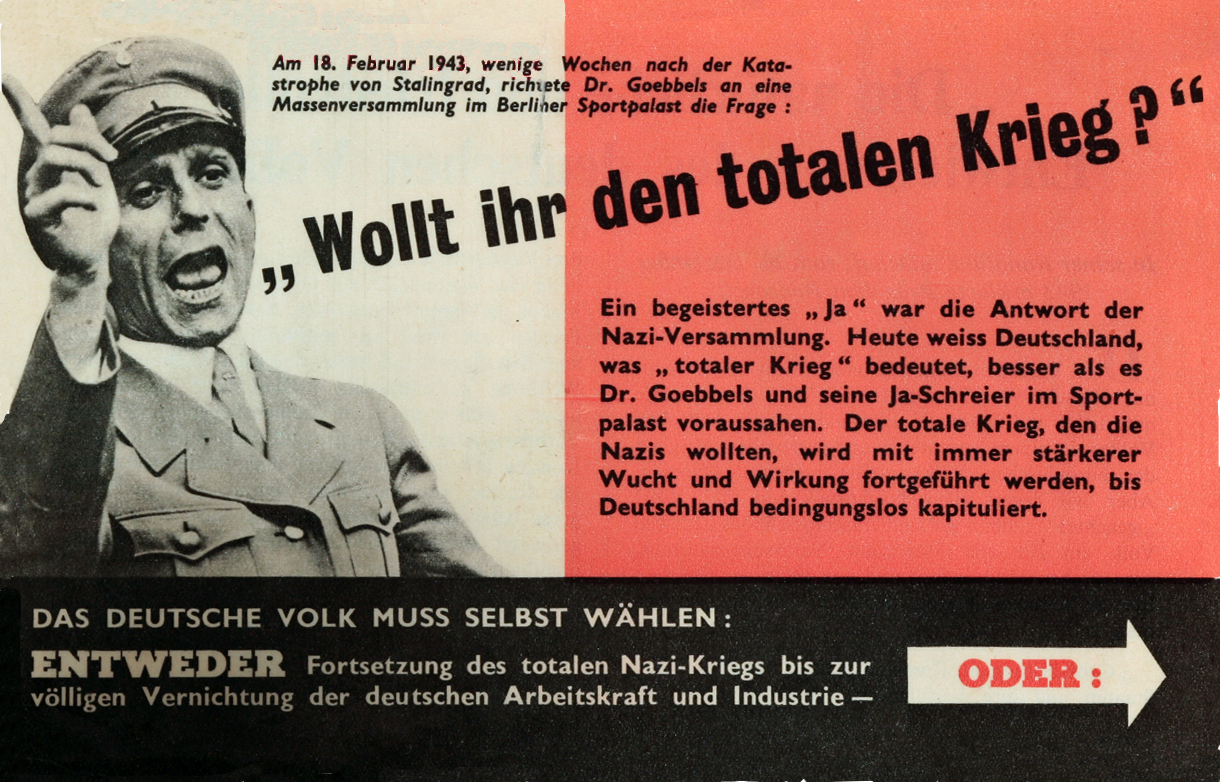
- Type of attack usually carried out through propaganda, ideas or statements that are false or exaggerated deliberately, spread to influence the masses, and to reduce an opponent's morale.
- Example: He and others (Post 2005, Sageman 2004) make the point that terrorism is psychological warfare, and as such it needs to be countered with psychological measures rather than military action which may only exacerbate the problem.
- en: Guerre psychologique
- Religion
- noun
- A particular system of faith and worship.
- Example: It could not be changed, unless by some divine intervention, and by divine this could be intervention through religion or the absolute monarch.
- en: Religion

- Sovereignty
- noun
- The authority of a state to govern itself or another state.
- Example: Through disassembling the anarchy sovereignty dichotomy, Ashley asserts that for the two concepts to have any validity in international relations inside the sovereign state there must exist: identity, homogeneity, order and progress and outside: difference, heterogeneity, disorder, threat and repetition.
- en: Souveraineté

- Tyranny of the majority
- noun
- An inherent weakness to majority rule in which the majority of an electorate pursues exclusively its own objectives at the expense of those of the minority factions.
- Example: This is a very Madisonian construction whereby 'pluralism and polyarchy' are designed to curtail the powers of individual factions and protect against the 'tyranny of the majority'.
- en: Tyrannie de la majorité
